Some restaurants earn a place in your life not because they’re trendy, but because they’re simply, consistently good. Baengnyeonok in Seocho is that kind of place for me. I’ve been coming here for a long, long time — back when I was still deep in office life, making detours on the way to meetings, not yet knowing it would become one of my all-time favorites.
I used to assume it was a dinner spot for a special occasion. Then I tried the maesaengi gul jeon (fine seaweed and oyster pancake) at lunch — and that was it.
A Quiet Institution Near Seoul Arts Center
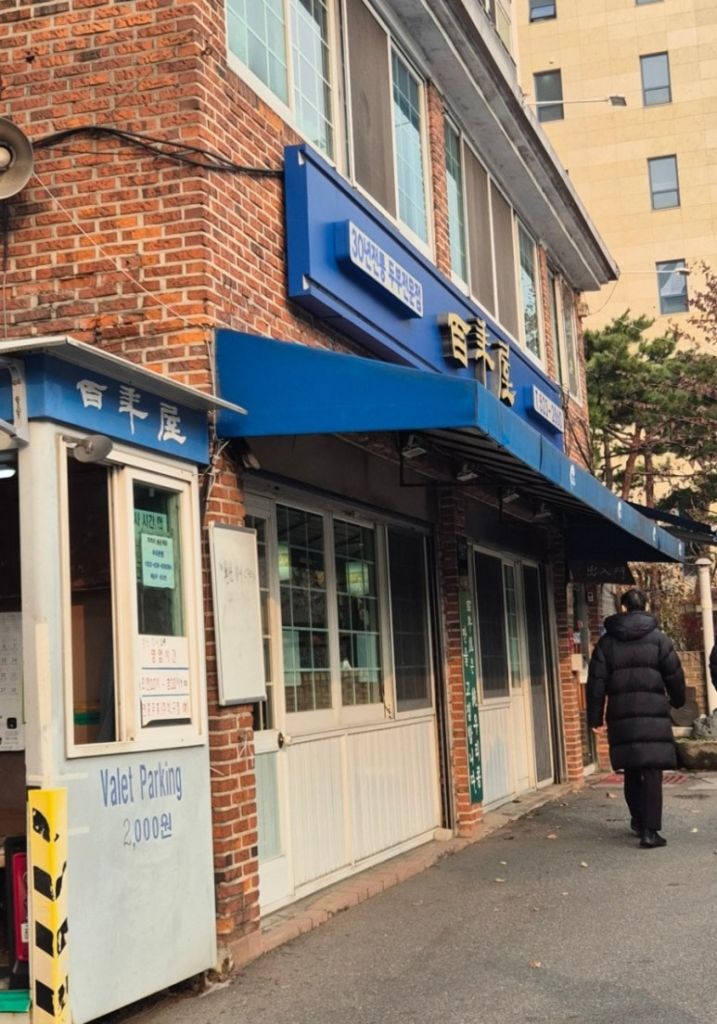
Located just steps from Seoul Arts Center in Seocho, Baengnyeonok isn’t the kind of place you stumble upon. But the people who know, know — and they keep coming back.
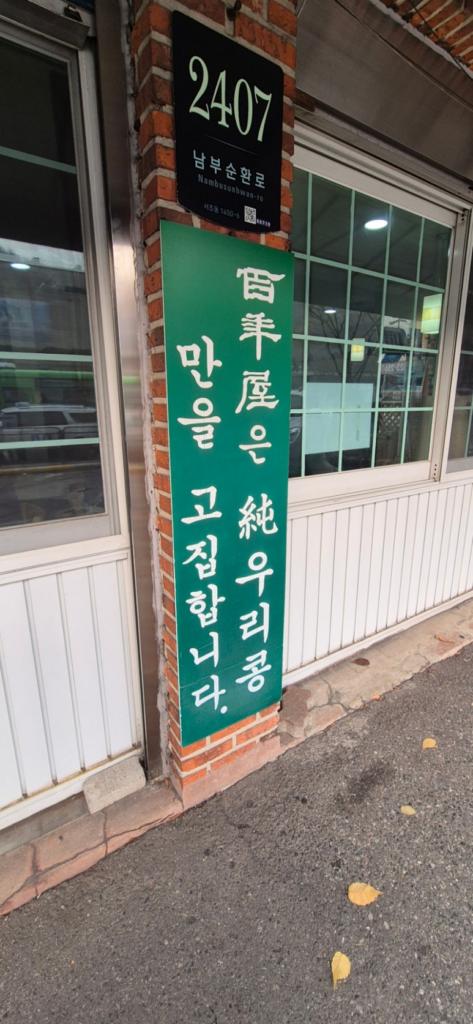
The restaurant has been here for over 30 years, built entirely around one thing: tofu made in-house from Korean soybeans. Not a concept. Not a trend. Just a place that has been doing the same thing, extremely well, for decades.
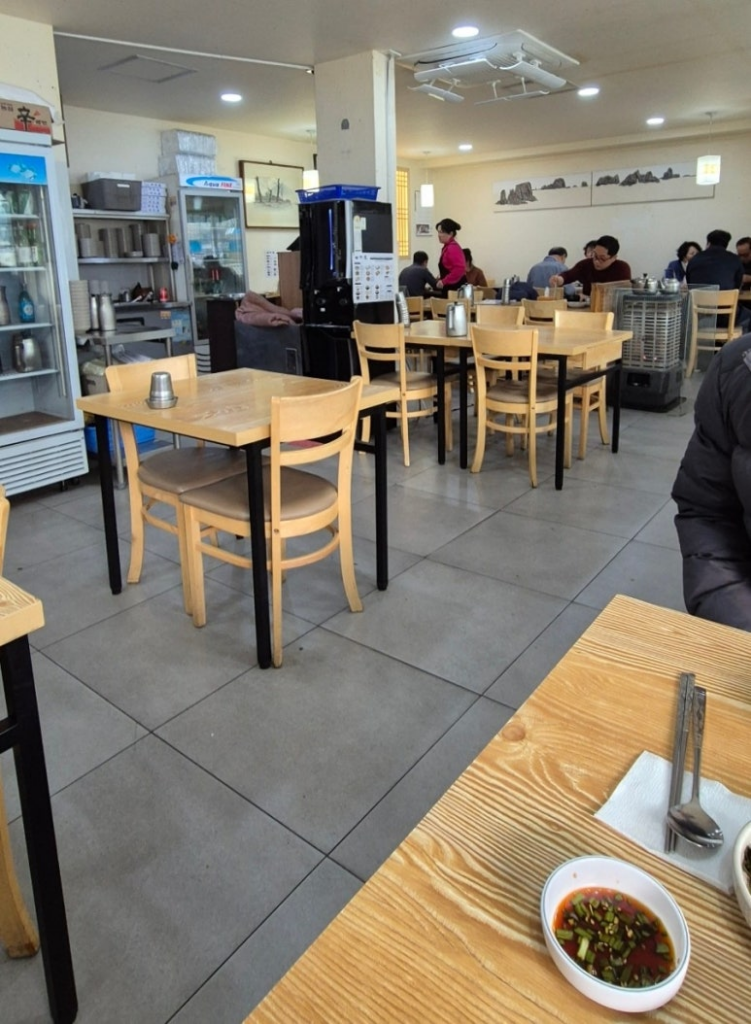
The interior is old in the best way — not worn, but well-kept. The kind of clean that comes from years of quiet care. Walls lined with framed photos and signatures. A room that carries the warmth of a place that has been loved for a long time.
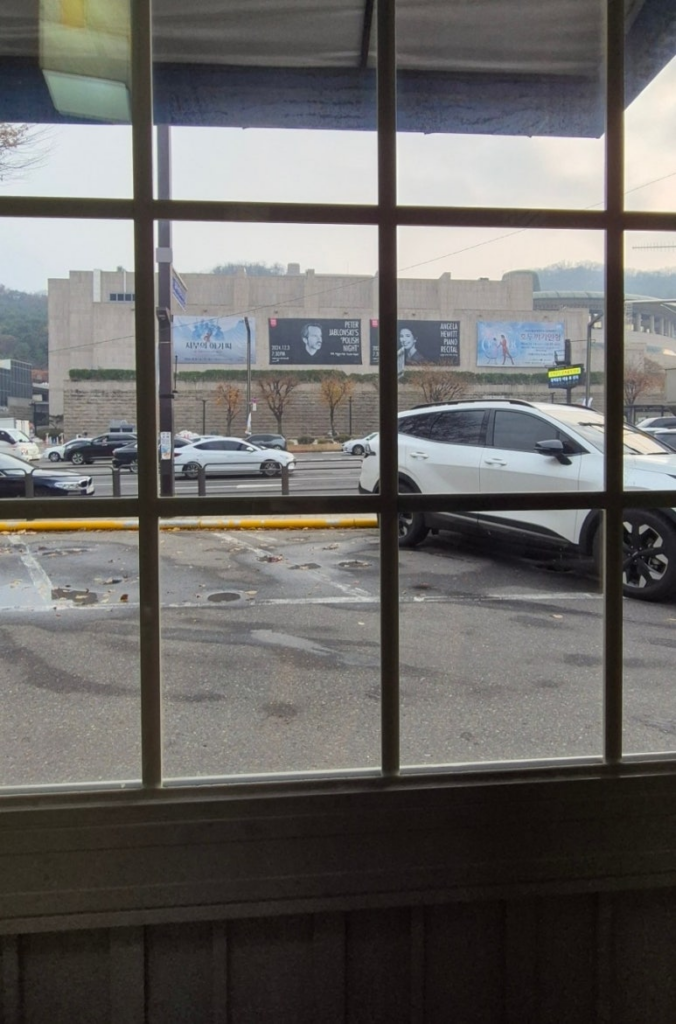
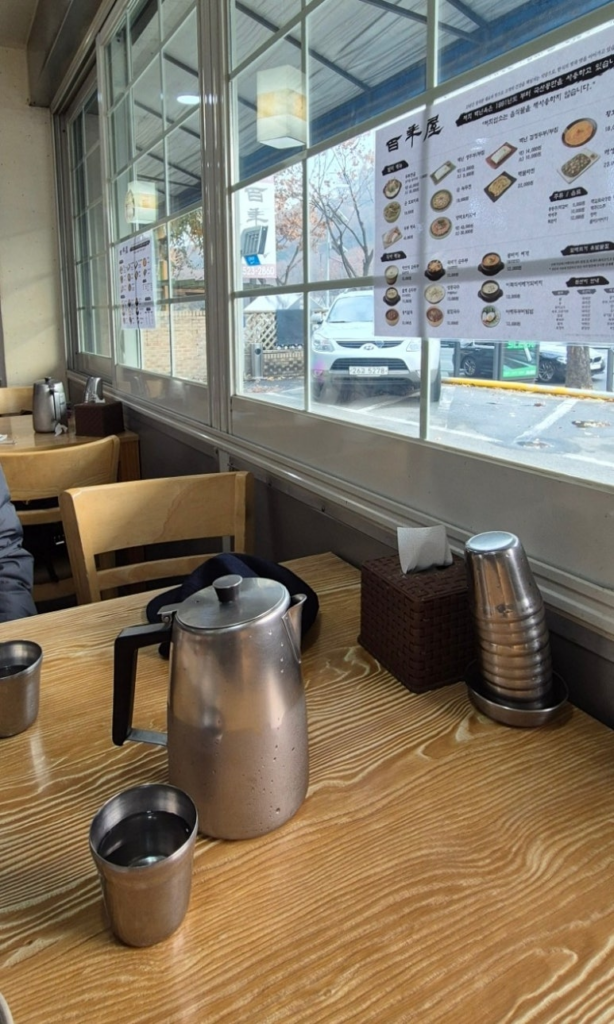
On my most recent visit, I finally got a window seat. Right across the street: Seoul Arts Center. The rice arrives warm from an insulated warmer — an old machine, clean but clearly from another era, the kind you simply don’t see in restaurants anymore. What caught my eye was the blanket draped over the top of it. A practical detail, added to keep the heat in a little longer.
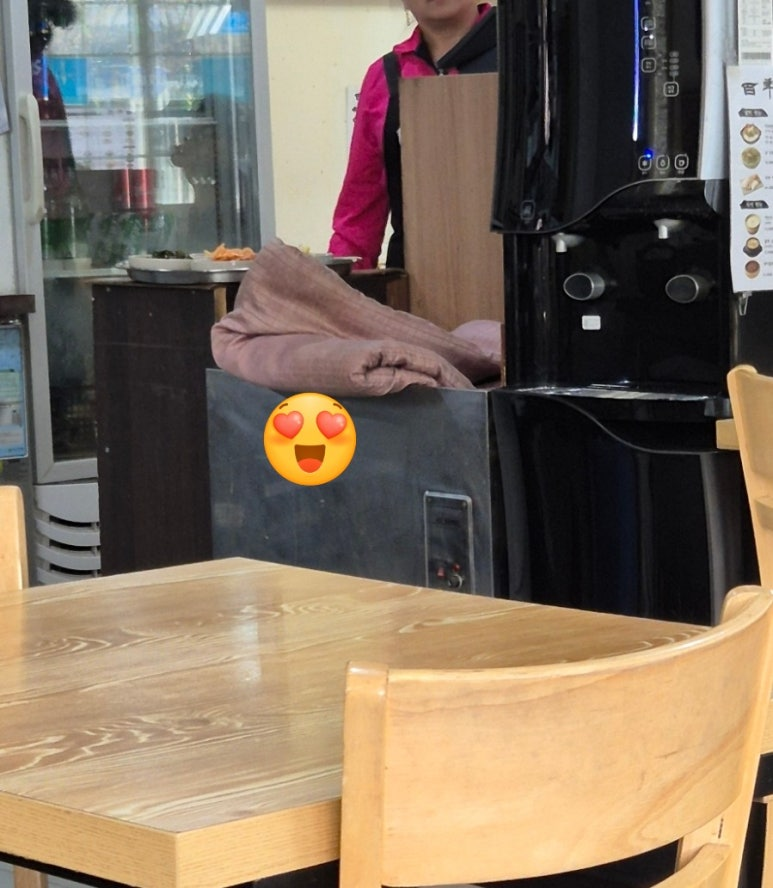
It immediately reminded me of something from old Korean story: families keeping cooked rice warm under a thick blanket in the corner of an ondol-heated room, before modern appliances made that unnecessary. Here it was, in a different form, in the corner of a restaurant that’s been open for 30 years. so I photographed it.
What to Order
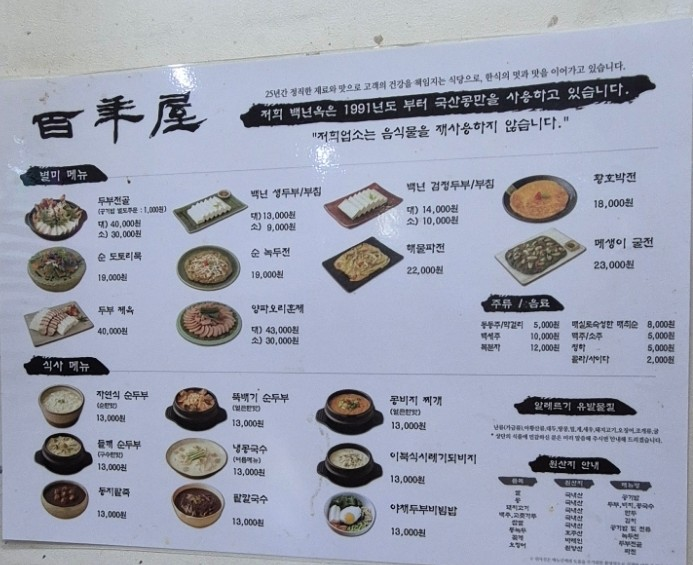
The menu is built around house-made tofu, and everything here tastes better because of it.
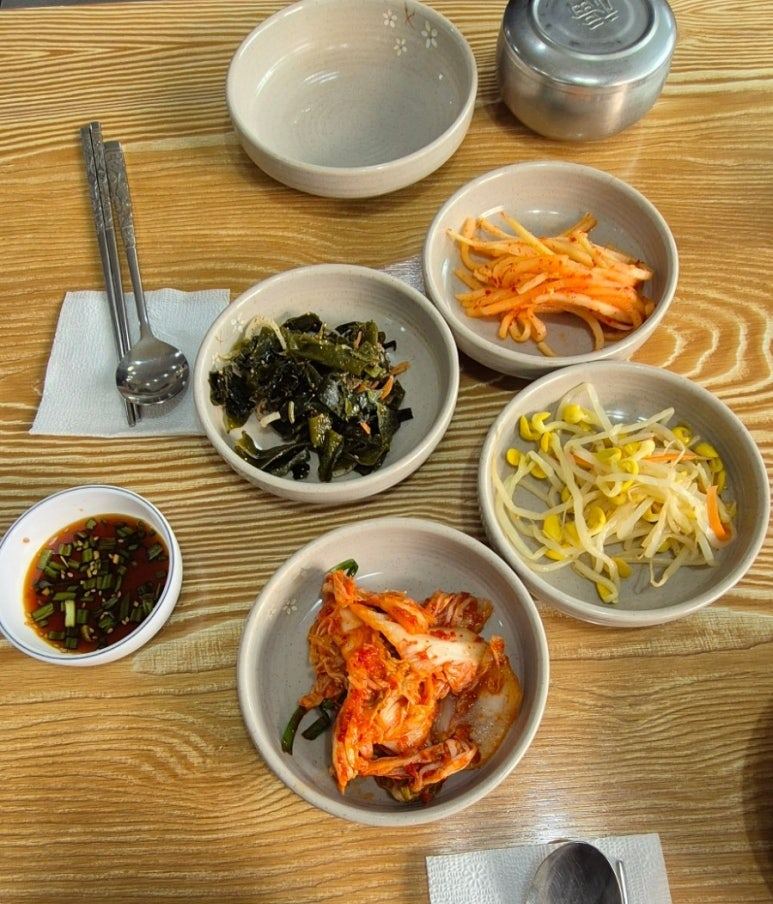
Banchan (side dishes) arrive first. The seaweed side dish is the one I eat immediately — a spoonful over white rice while waiting for the main. A small thing I look forward to every time.
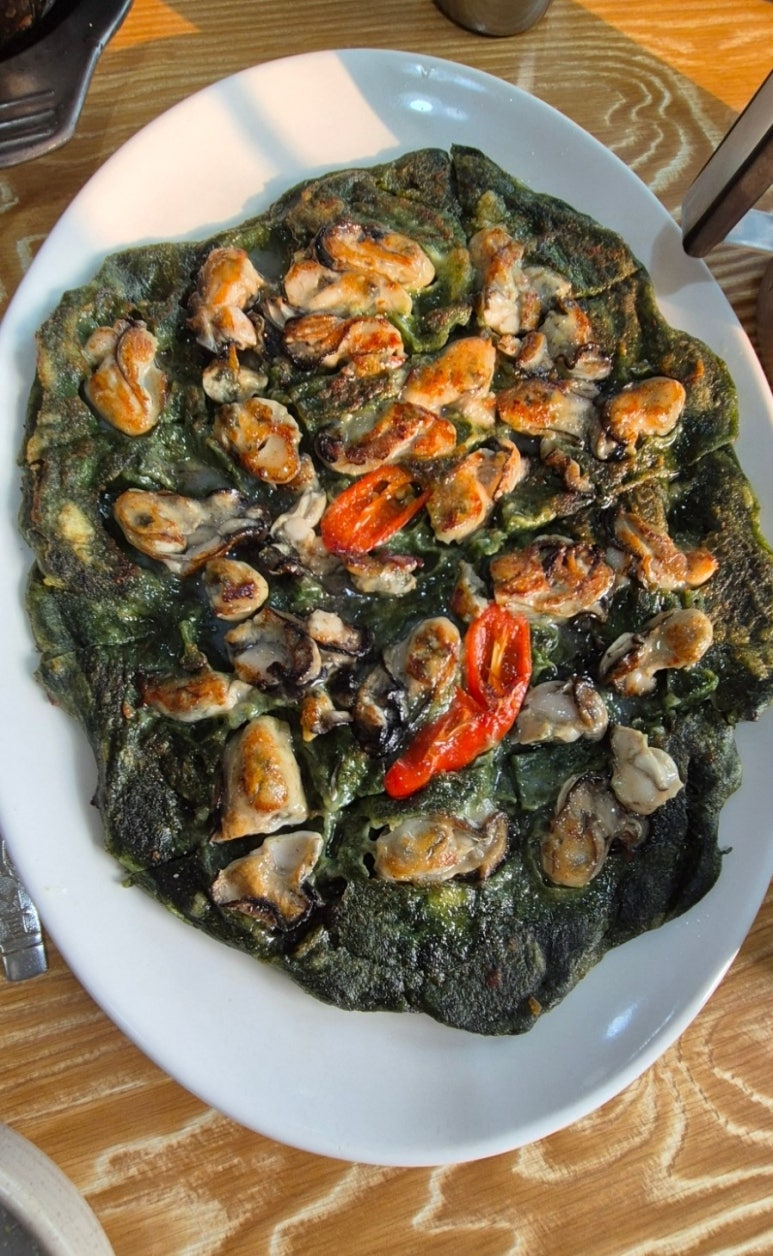
Maesaengi Gul Jeon (fine seaweed and oyster pancake) — This is the reason I come. The oysters are plump and generous, the pancake thick enough to scoop with a spoon. Clean ocean flavor, nothing heavy. The first time I ate this, I nearly set the photo as my phone wallpaper. I’ve had it on multiple visits — same generous size each time. Consistent.
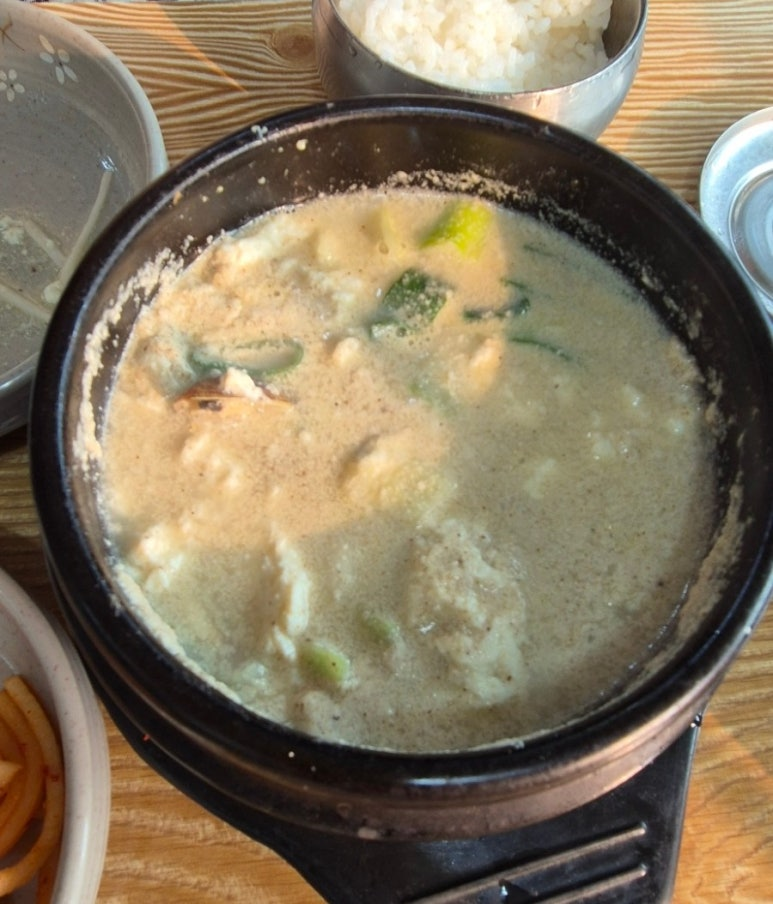
Deulkkae Sundubu (soft tofu stew with fresh perilla seed powder) — The broth is earthy and gentle, with house-made tofu that melts into it quietly. A dish that stays with you. On my last visit, this one surprised me — I think I prefer it over the kongbiji now.
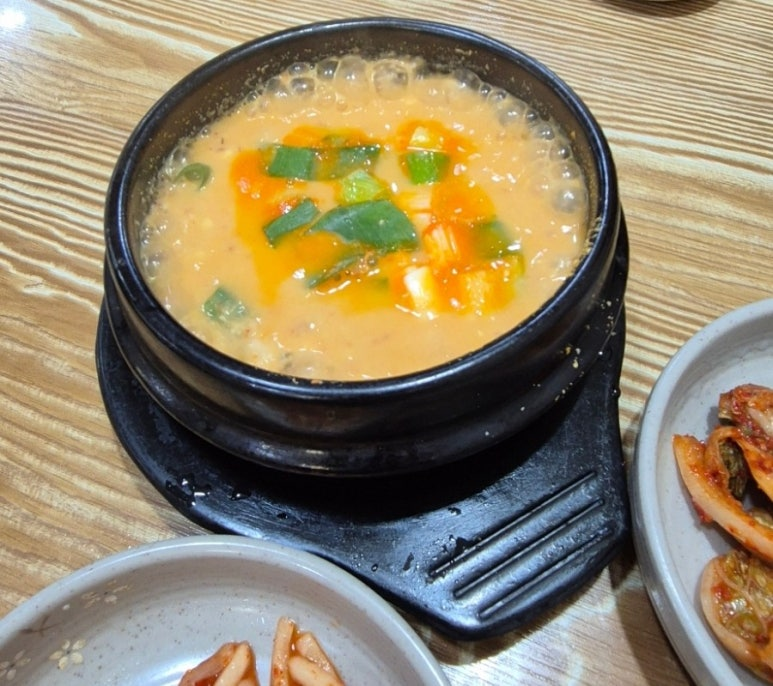
Kongbiji Jjigae (pureed soybean stew with kimchi) — Bold, hearty, the kind of dish I always tell myself I have to order. Like a stronger, earthier kimchi jjigae. Worth ordering every time.
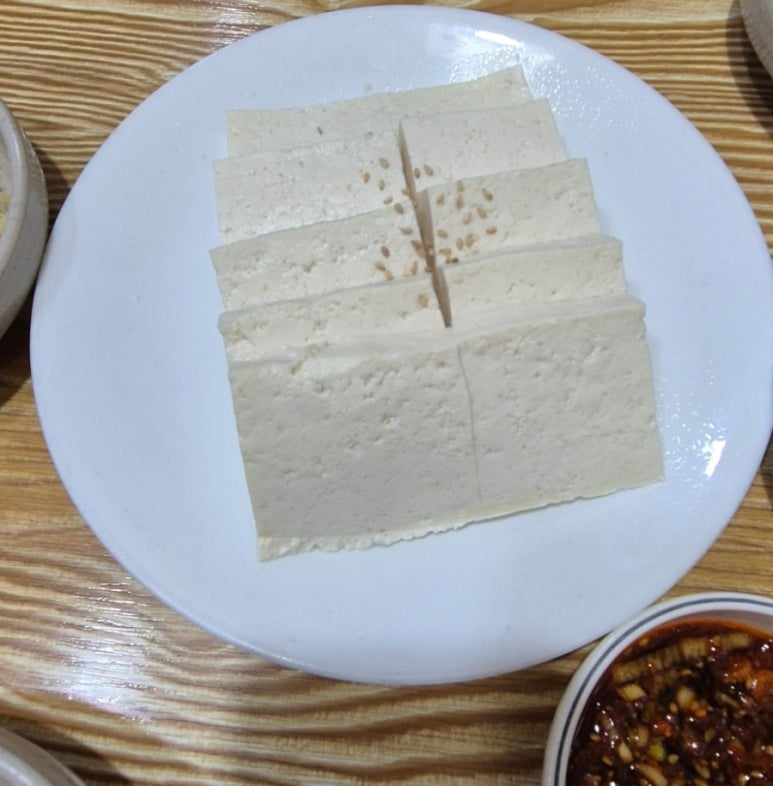
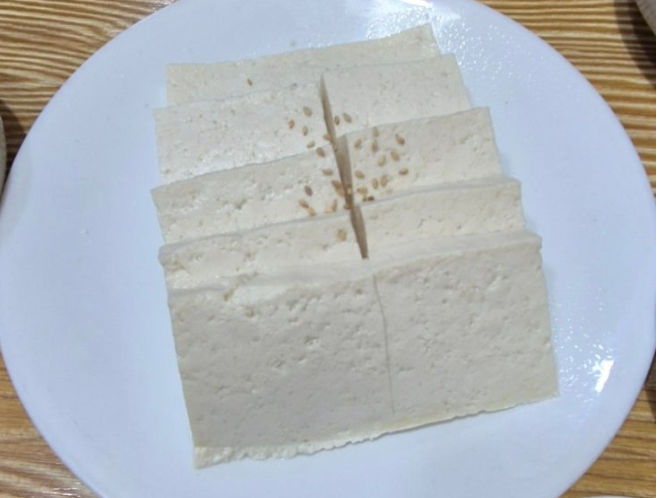
Saeng Dubu (fresh tofu, plain, made in-house) — The simplest way to understand why this place has lasted 30 years.
For two people at lunch: one jeon (pancake) plus one main dish and a rice add-on is exactly right.
Good to Know
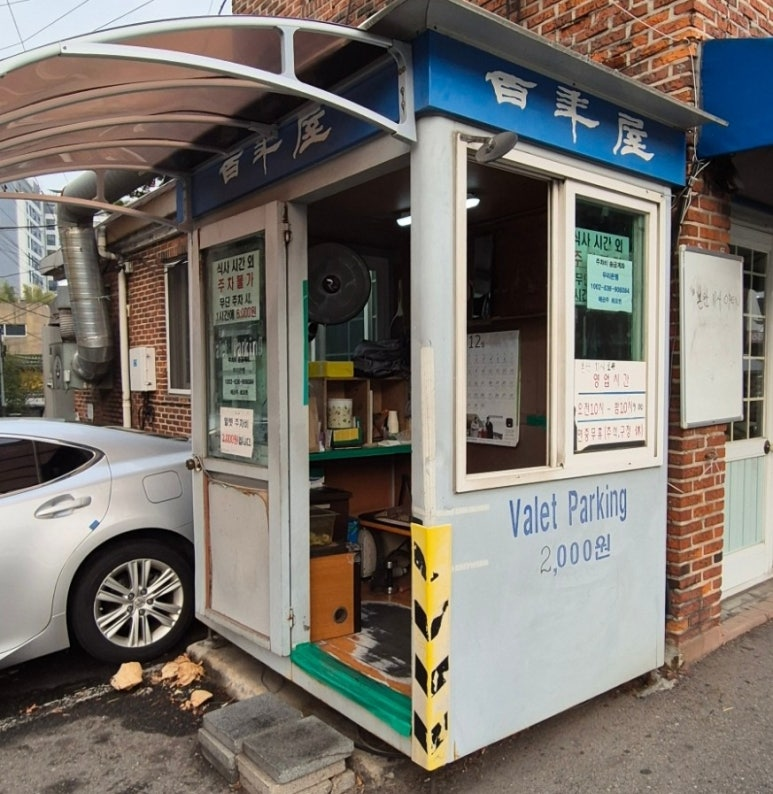
Valet parking is available for ₩2,000 — bank transfer accepted.
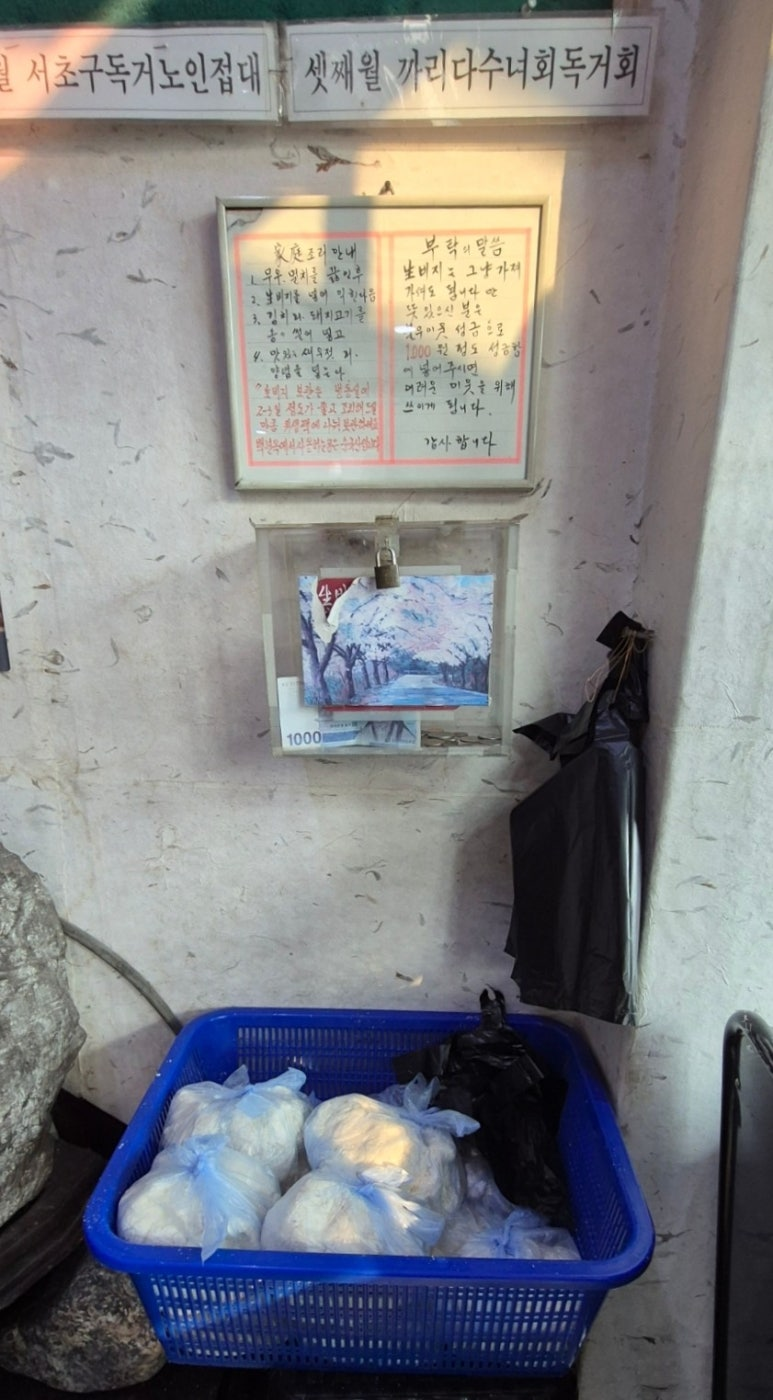
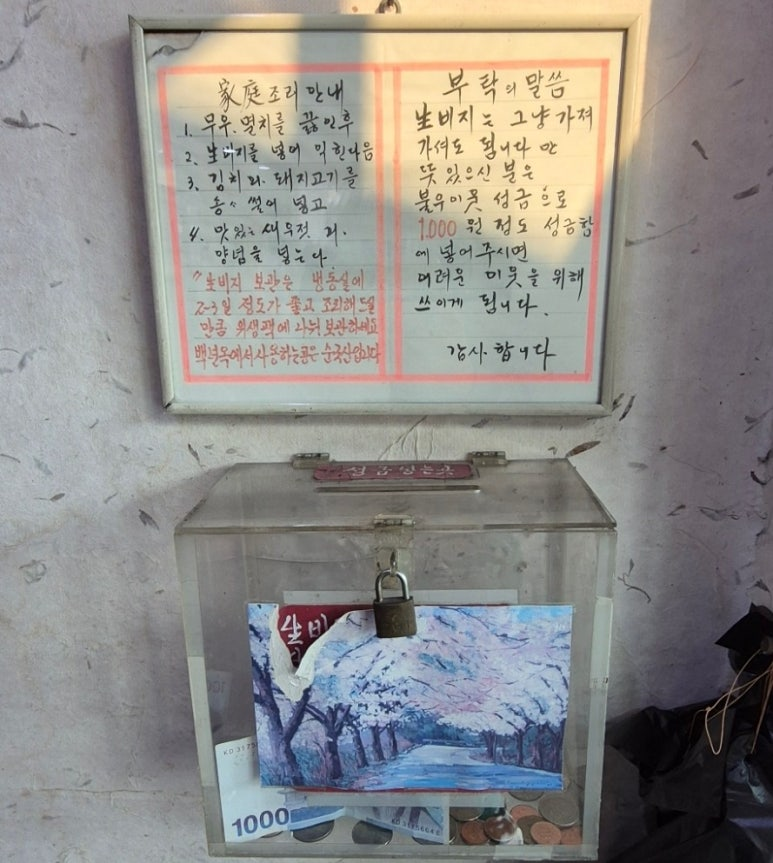
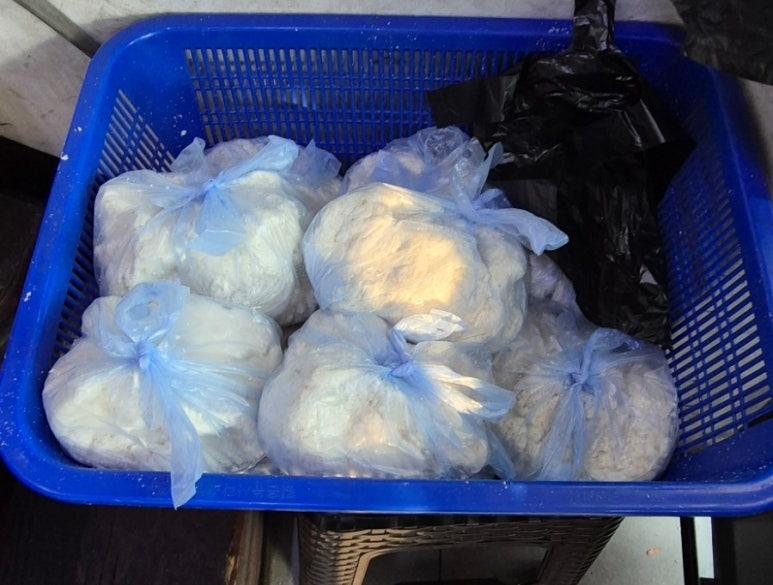
Every day, the kitchen makes fresh tofu from scratch. Soybeans are soaked, ground, and pressed — the liquid becomes tofu, and the soft solids left behind become kongbiji. It’s a byproduct with its own identity; kongbiji jjigae is a staple home dish that Koreans grow up eating. Here, the daily surplus is packed into simple plastic bags for ₩1,000 a bag. By the exit, a handwritten board shows you how to cook it at home. The proceeds go to charity.
After lunch, Seoul Arts Center is right across the street — perfect timing for a performance, or just a slow afternoon walk around the grounds.
Who Should Go
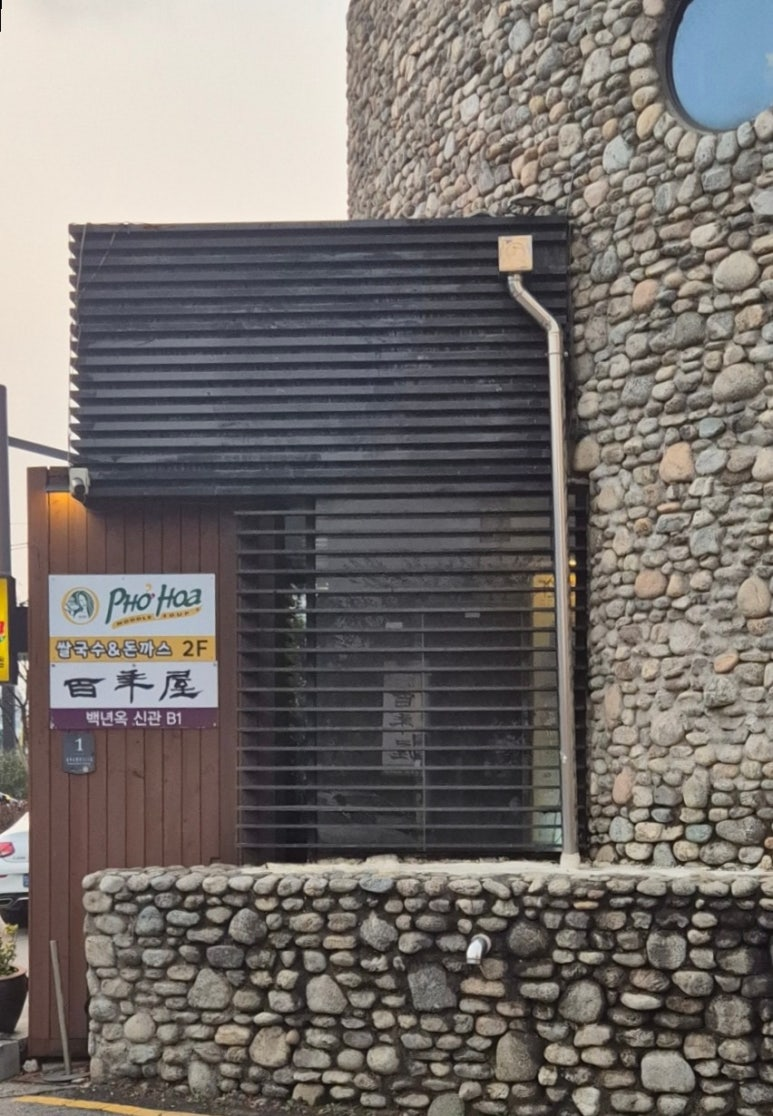
This is a good place to bring family — quiet, well-run, and the food is the kind that feels like home. Good for those who prefer wholesome, health-conscious Korean food, and a natural choice when dining with parents. In the evening, the menu pairs just as well with makgeolli or dongdongju if you’re staying for drinks. Valet parking is available, and there’s an annex building next door — convenient if you’re traveling by rental car, and one less thing to worry about if you haven’t made a reservation. If you’re visiting Seoul Arts Center, it’s the most natural lunch stop in the area.
For tofu done properly, in a room that has earned its years — this is an easy recommendation.
Leave a Reply